Our Gurus
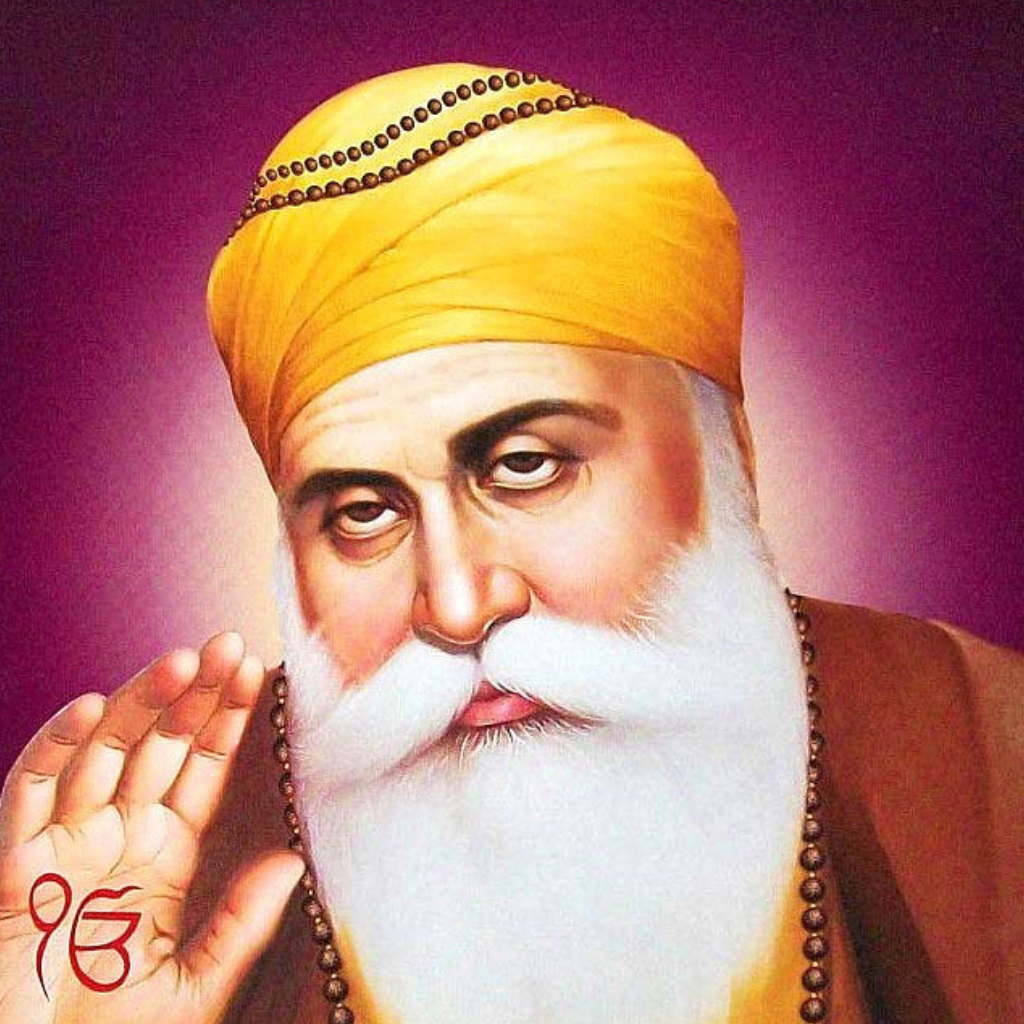
Guru Nanak Dev Ji
Guru Nanak Dev Ji, born in 1469 in Talwandi (now Nankana Sahib, Pakistan), was the founder of Sikhism and the first of the ten Sikh Gurus. From a young age, he showed deep spiritual insight and questioned social injustices. He preached the oneness of God, equality of all human beings, and the importance of honest work, selfless service, and remembrance of God (Naam Japna). He rejected the caste system, superstitions, and religious rituals. Guru Nanak traveled widely to spread his message of love, unity, and peace.
Dhan Guru Angad Dev JI
Guru Angad Dev Ji, the second Sikh Guru, was born in 1504 as Bhai Lehna in Matte di Sarai, Punjab. He became a devoted follower of Guru Nanak Dev Ji and was chosen as his spiritual successor for his humility, dedication, and deep faith. Guru Angad Dev Ji promoted the teachings of Guru Nanak, emphasized physical fitness, and introduced the Gurmukhi script to preserve Sikh teachings. He also established schools and encouraged education. Known for his humility and service, he strengthened the Sikh community and its values.
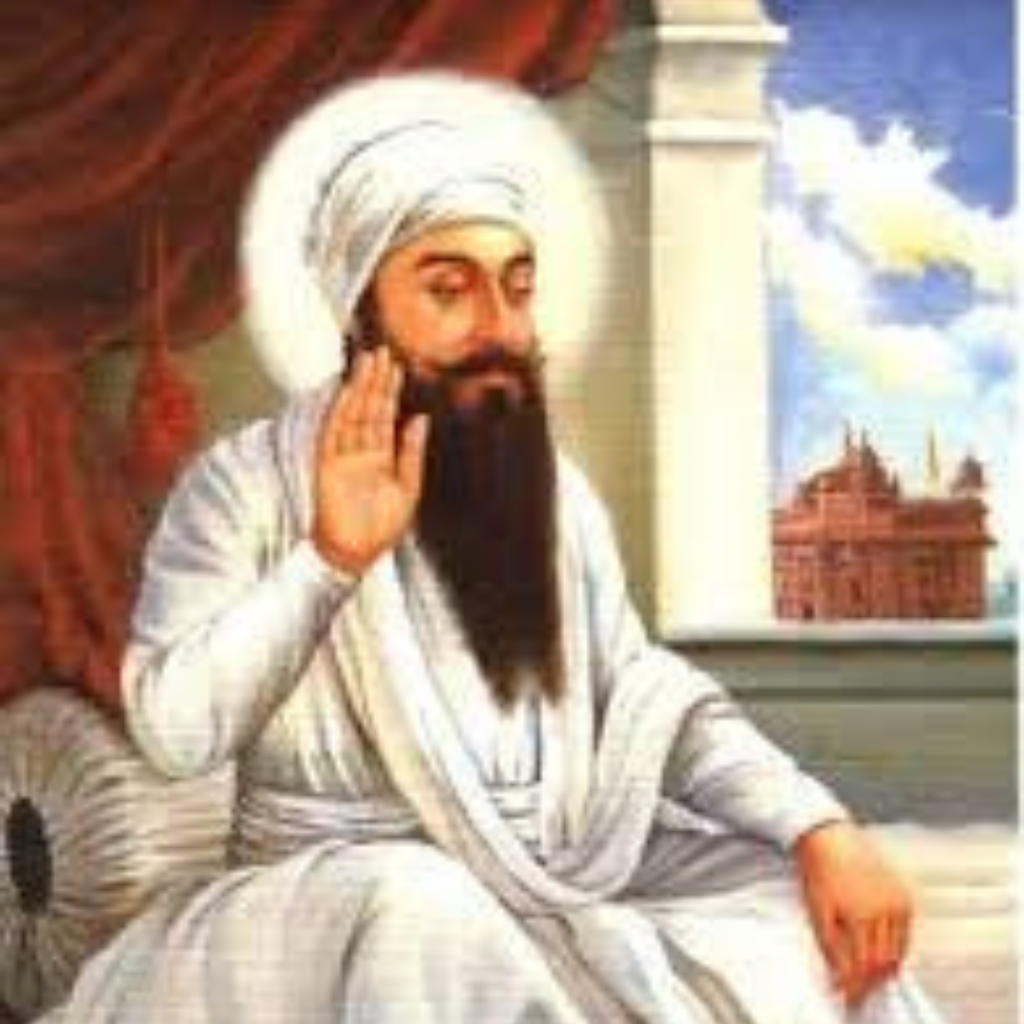
Dhan Guru Amardas Ji
Guru Amar Das Ji, the third Sikh Guru, was born in 1479 in Basarke, Punjab. He became Guru at the age of 73, after becoming a devoted disciple of Guru Angad Dev Ji. Known for his humility and service, he emphasized social equality, strongly opposing the caste system and promoting the tradition of Langar (community kitchen) where all sat and ate together. He also empowered women, opposing practices like sati and purdah. Guru Amar Das Ji organized the Sikh community by establishing 22 preaching centers and introduced necessary religious customs. His leadership greatly strengthened the spiritual and social foundations of Sikhism.
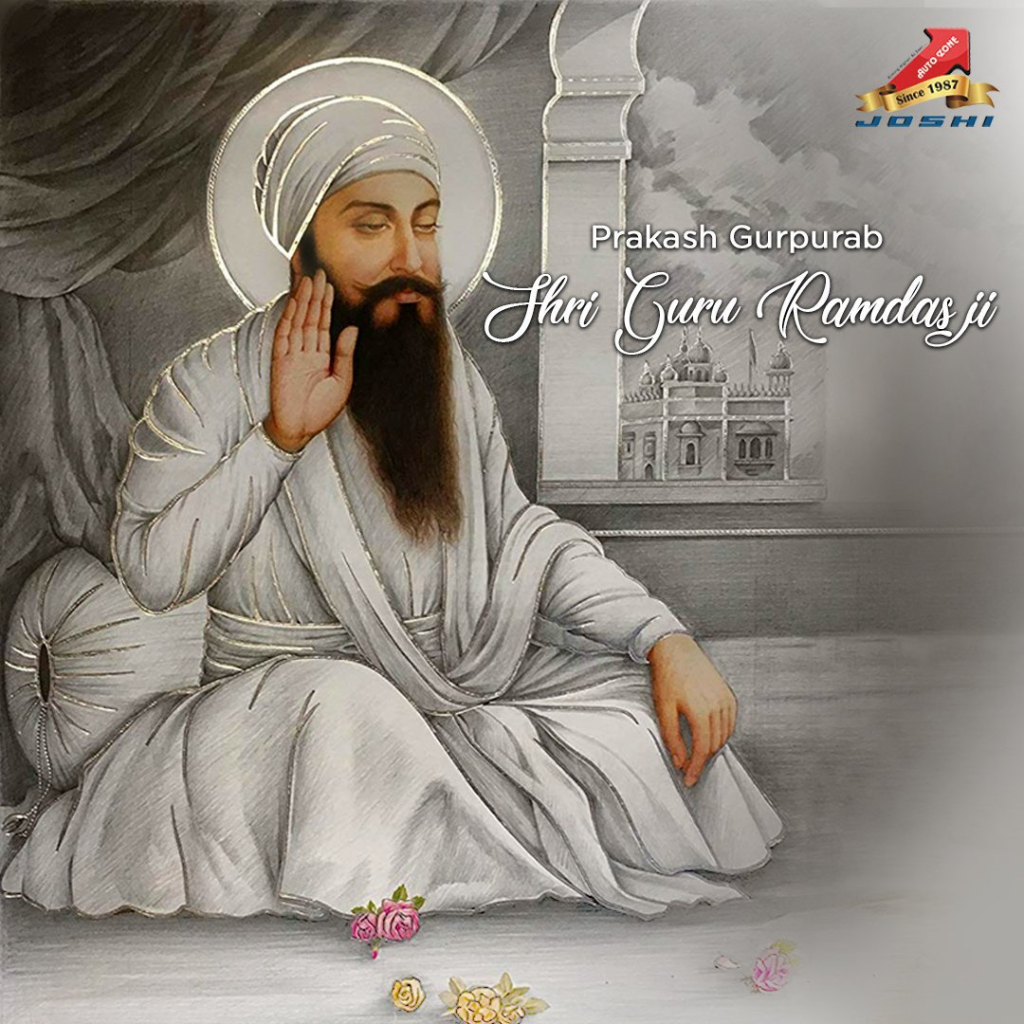
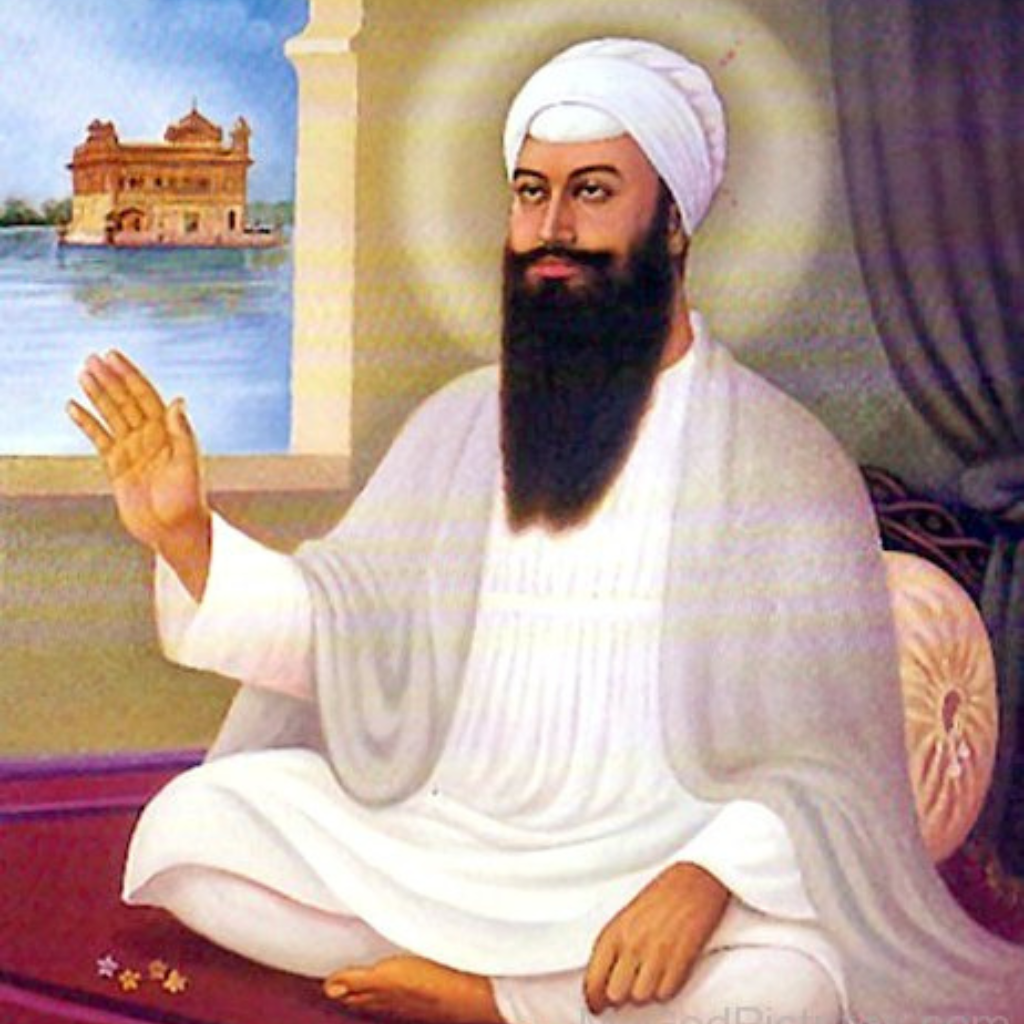
Dhan Guru Ramdas Ji
Guru Ram Das Ji, the fourth Sikh Guru, was born in 1534 in Lahore. He became Guru in 1574 and is known for his humility, devotion, and service. Guru Ram Das Ji founded the holy city of Amritsar and began the construction of the sacred Sarovar (pool) around Harmandir Sahib (Golden Temple). He emphasized seva (selfless service), kirtan (devotional singing), and community life. Guru Ram Das Ji composed many hymns included in the Guru Granth Sahib and strengthened the institution of Langar. He also introduced the Anand Karaj (Sikh marriage ceremony). His teachings continue to guide Sikhs toward love, equality, and devotion.
Dhan Guru Arjan Dev Ji
Guru Arjan Dev Ji, the fifth Sikh Guru, was born in 1563 in Goindwal, Punjab. He compiled the Adi Granth, the holy scripture that later became the Guru Granth Sahib, including hymns of previous Gurus and saints from different faiths. Guru Arjan Dev Ji completed the construction of Harmandir Sahib (Golden Temple) in Amritsar, symbolizing universal brotherhood and spiritual unity. He emphasized humility, peace, and devotion to God. He also promoted social welfare and community service.Guru Arjan Dev Ji became the first Sikh martyr in 1606, choosing death over compromising his faith, and set a powerful example of courage and sacrifice for righteousness.
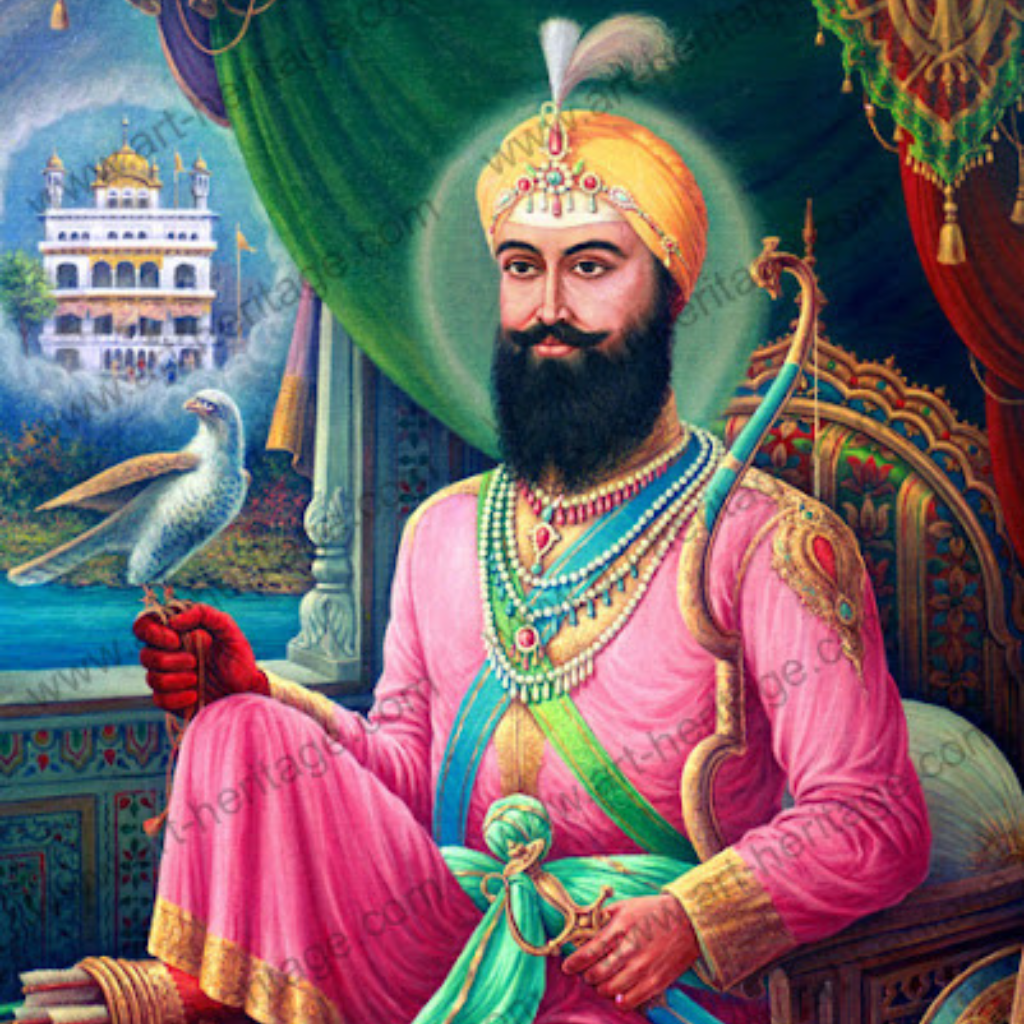
Dhan Guru Har Gobind Sahib Ji
Guru Hargobind Sahib Ji, the sixth Sikh Guru, was born in 1595 and became Guru in 1606 after the martyrdom of his father, Guru Arjan Dev Ji. He introduced the concept of Miri-Piri, symbolizing both spiritual and temporal authority, and wore two swords to represent this balance. Guru Hargobind Ji emphasized the importance of self-defense and maintaining justice, training Sikhs in martial arts and horsemanship. He built the Akal Takht, the throne of Sikh temporal authority, opposite the Harmandir Sahib. Guru Hargobind Ji fearlessly defended the Sikh community against Mughal oppression and laid the foundation for the warrior-saint tradition in Sikhism.
Dhan Guru Har Rai Ji
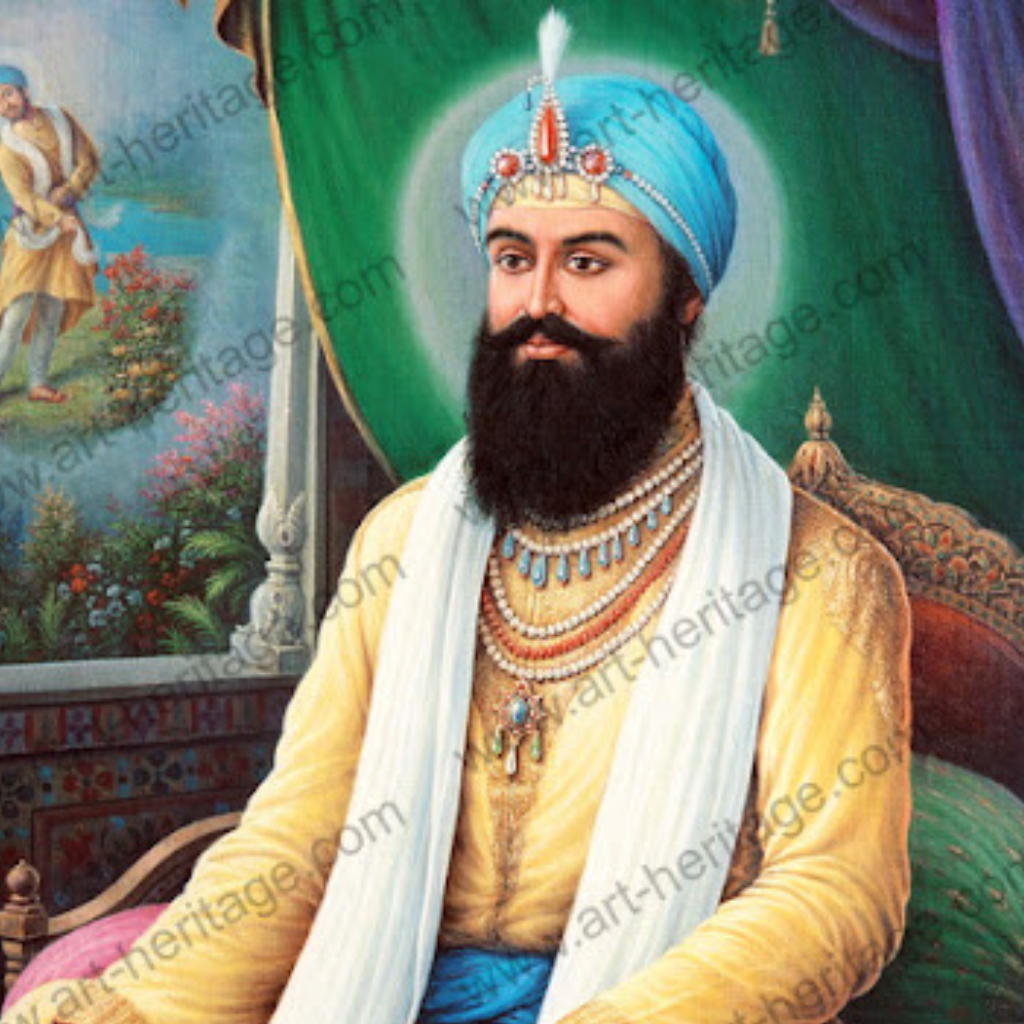
Guru Har Rai Ji, the seventh Sikh Guru, was born in 1630 and became Guru in 1644. Known for his compassion, humility, and love for nature, he continued the mission of Guru Hargobind Ji by maintaining a balance between spiritual life and self-defense. Guru Har Rai Ji promoted herbal medicine and ran a free clinic, helping many, including Dara Shikoh, the Mughal prince. He emphasized peace and service, spreading Sikh teachings with kindness and understanding. Guru Har Rai Ji also worked to preserve Sikh values during a time of political tension and prepared the Sikh community for future challenges with strength and devotion.
Dhan Shiri Guru Har Krishan Saheb Ji
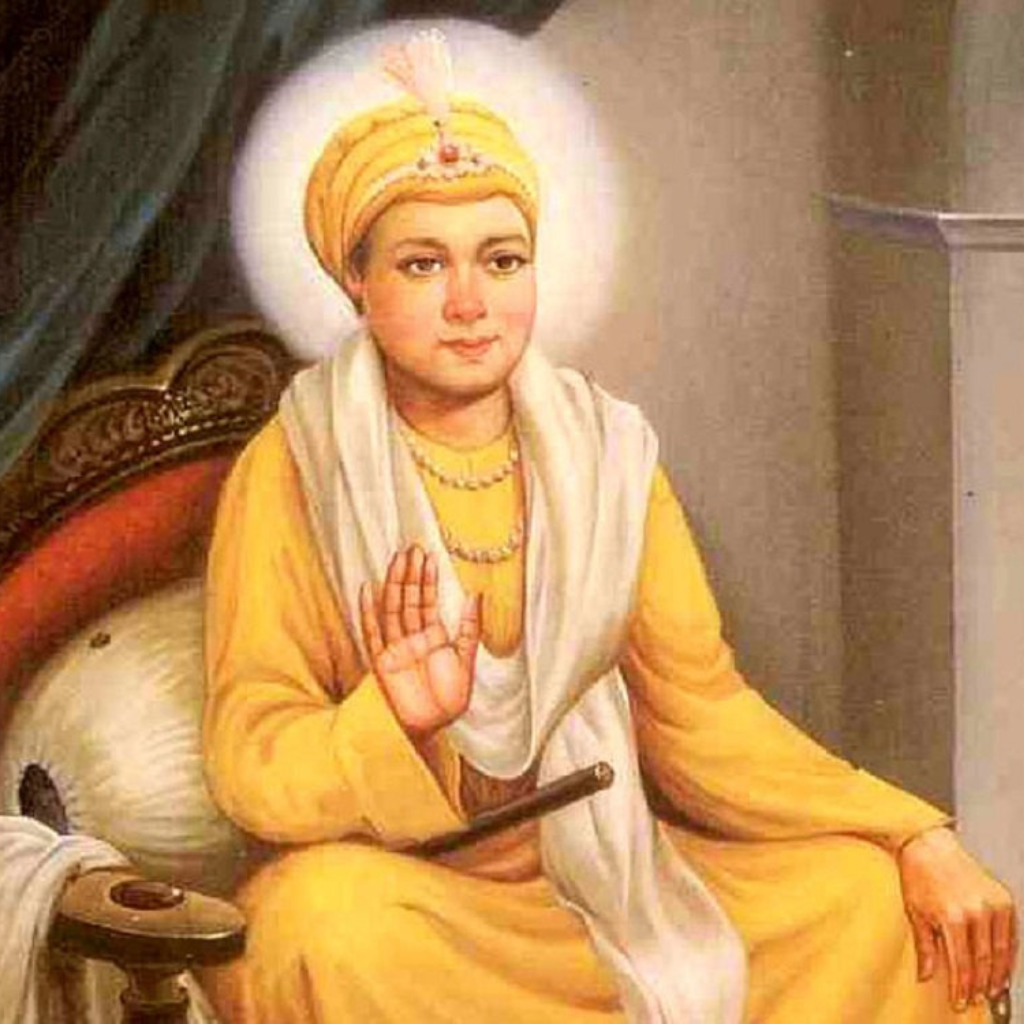
Guru Har Krishan Sahib Ji, the eighth Sikh Guru, was born in 1656 and became Guru at the young age of five in 1661. Despite his youth, he was known for his wisdom, humility, and spiritual purity. During a smallpox epidemic in Delhi, Guru Har Krishan Ji selflessly served the sick, offering comfort and healing. He earned the title Bala Pritam (Child Prophet) and became a symbol of compassion and service. Sadly, he contracted the illness himself and passed away at the age of eight in 1664. His famous words “Baba Bakale” indicated his successor, Guru Tegh Bahadur Ji.
Dhan Guru Teg Bahadur Sahib Ji
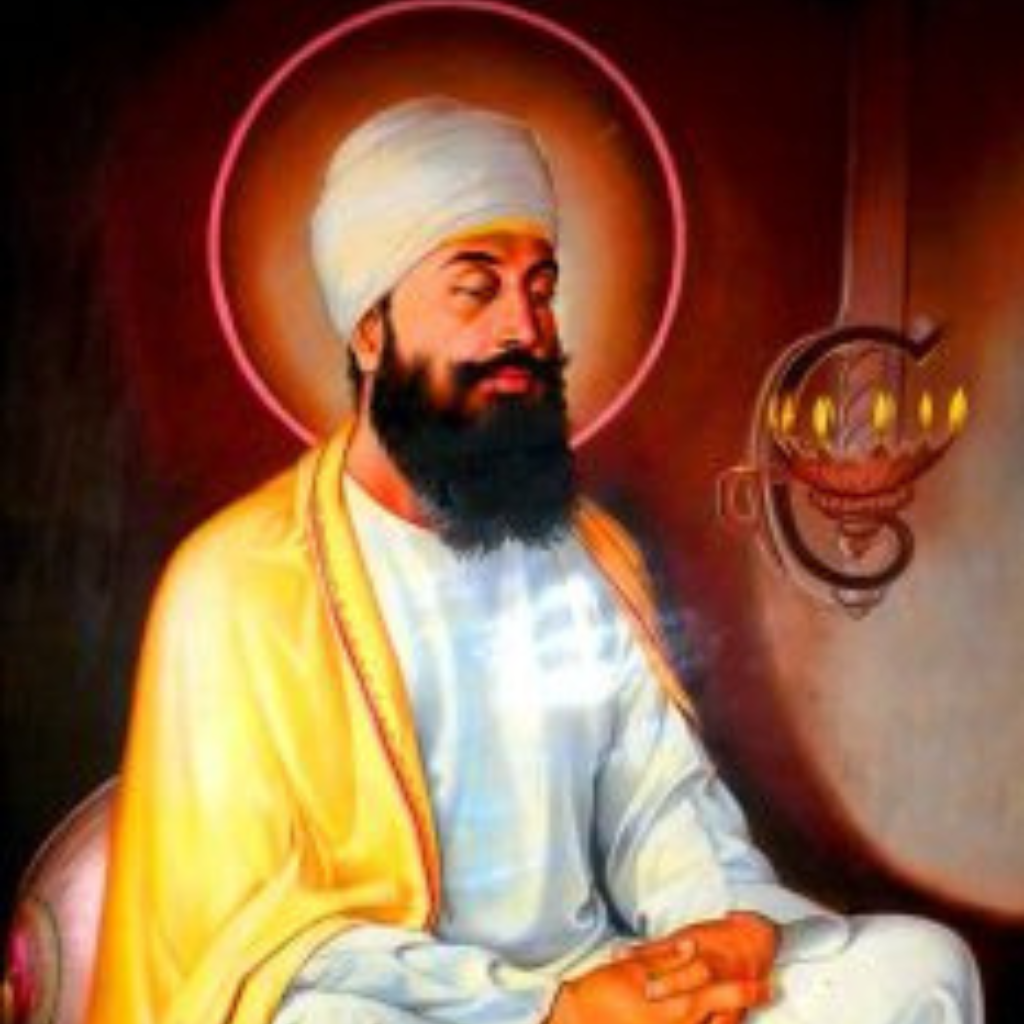
Guru Tegh Bahadur Sahib Ji, the ninth Sikh Guru, was born in 1621 in Amritsar. Renowned for his spiritual wisdom, bravery, and compassion, he is most remembered for his steadfast stand against religious persecution. When the Mughal emperor Aurangzeb sought to force Hindus to convert to Islam, Guru Tegh Bahadur Ji sacrificed his life to protect the freedom of religion, becoming a martyr in 1675. His martyrdom is a significant event in Sikh history, symbolizing sacrifice for justice and human rights. Guru Tegh Bahadur Ji’s hymns, which promote love, equality, and devotion, are included in the Guru Granth Sahib, inspiring generations.
Dhan Guru Gobind Singh Ji
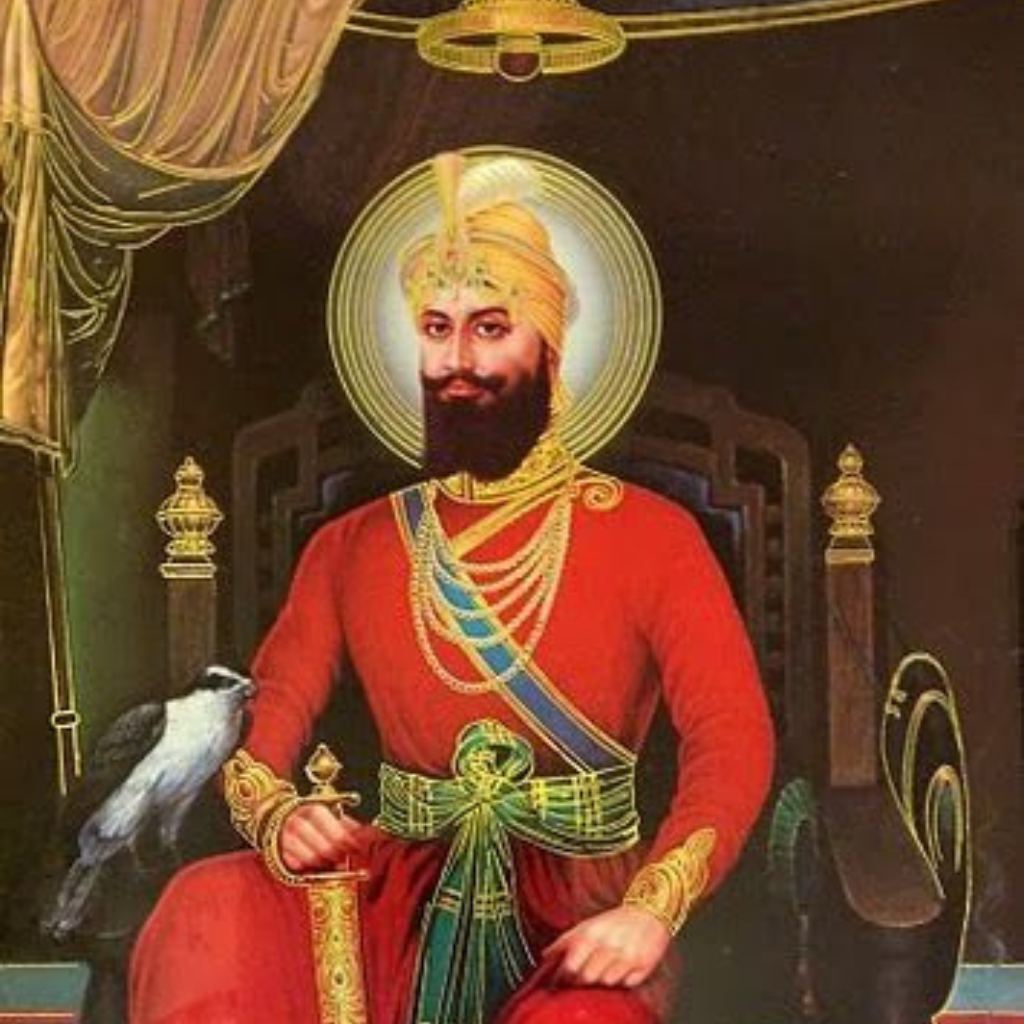
Guru Gobind Singh Ji, the tenth Sikh Guru, was born in 1666 in Patna Sahib, Bihar. A spiritual leader, poet, and warrior, he formally established the Khalsa in 1699, a brotherhood of saint-soldiers dedicated to upholding righteousness and justice. He introduced the Five K’s (Kesh, Kara, Kanga, Kachera, Kirpan) and gave Sikhs a distinct identity. Guru Gobind Singh Ji sacrificed his father, Guru Tegh Bahadur Ji, and his four sons for the protection of faith and humanity. He declared the Guru Granth Sahib as the eternal Guru before his death in 1708, thus ending the line of human Gurus in Sikhism.
Dhan Shiri Guru Granrh Saheb Ji
Guru Granth Sahib Ji, the central religious scripture of Sikhism, is considered the eternal Guru by Sikhs. Compiled by Guru Arjan Dev Ji in 1604, it contains hymns and writings of the first five Gurus and other saints from diverse religious backgrounds. The scripture emphasizes devotion to one God, equality, justice, and living a truthful life. Guru Gobind Singh Ji, the tenth Sikh Guru, declared the Guru Granth Sahib as the final and eternal Guru in 1708. It is written in Gurmukhi script and is the spiritual guide for Sikhs, offering wisdom on morality, spirituality, and human rights.